inquiry@tibettourism.com
 86-15728991588


.jpg)


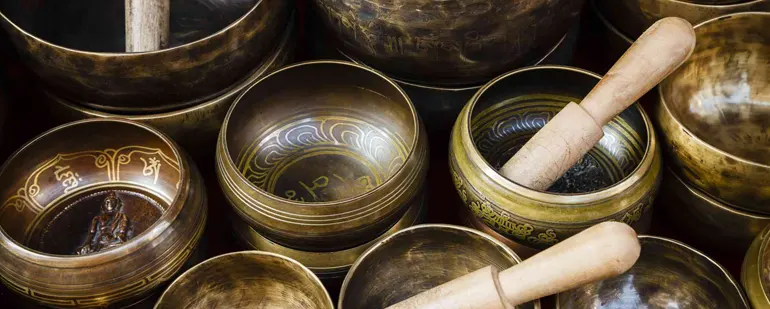
Known for its deep and soothing tones, the Tibetan singing bowl is a unique form of sound expression rooted in Tibetan culture. Its rich vibrations and long-lasting echoes are often used for meditation, relaxation, and personal reflection, offering many people a way to connect with Tibetan culture and explore the power of sound.
A Tibetan singing bowl is usually made of metal and produces a lasting, layered sound when struck with a wooden stick or when the rim is gently rubbed in a circular motion. Today, this traditional instrument has traveled beyond the Himalayan region and has become popular in meditation classes, yoga practices, and wellness activities around the world.
Exploring the Tibetan singing bowl is a unique way to gain a deeper understanding of Tibetan culture. Listening to its calming sounds is not only a special experience but also a window into Tibetan Buddhist traditions, meditation practices, and the rhythm of life on the Tibetan Plateau. In this guide, we will explore what a Tibetan singing bowl is, how it is used, and how you can experience this fascinating tradition during your journey to Tibet.
What is a Tibetan Singing Bowl?
A Tibetan singing bowl is a metal bowl that produces deep, resonant sounds and sustained vibrations when struck or rubbed. Unlike ordinary bowls, it has a specially designed shape and thickness that produce rich tones that can continue for several seconds or longer.
Most Tibetan singing bowls are made from metal alloys, traditionally using a mixture of metals such as copper, tin, and bronze. The exact materials and proportions vary depending on the maker and the production techniques. Handmade singing bowls are usually shaped through repeated hammering, heating, and polishing, which gives each bowl its own unique appearance and sound quality.
Tibetan singing bowls come in many different types, with variations in size, shape, thickness, and craftsmanship. Smaller bowls usually create higher and clearer tones, while larger bowls produce deeper and more powerful vibrations. Some bowls have simple designs, while others feature engraved patterns, Buddhist symbols, or decorative details on their surfaces.
The sound of a Tibetan singing bowl comes from vibration. When the bowl is gently struck with a wooden stick or when the edge is rubbed in a circular motion, the metal begins to vibrate and creates a continuous, layered sound. The quality of the sound depends on several factors, including the bowl’s size, material, shape, and the skill of the craftsman who creates it.
What is a Tibetan singing bowl used for?
A Tibetan singing bowl is used in a variety of practices, including meditation, relaxation, mindfulness exercises, and cultural activities. By creating deep and lasting sounds, it helps create a peaceful environment where people can focus their attention and enjoy a moment of calm.
1. Meditation and Mindfulness Practice
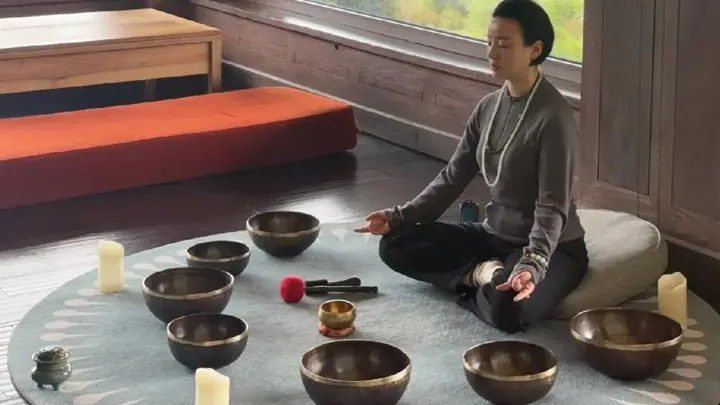
Tibetan singing bowls are frequently used in meditation. At the start of a meditation session, practitioners often strike the bowl, using its resonant sound to help them enter a state of quiet focus. The sustained, resonant tones help guide attention, making it easier to maintain focus throughout the meditation. The sound of a singing bowl can also be effective as a meditation session draws to a close. Unlike a sudden timer alert, the gradually fading vibrations allow practitioners to conclude their practice more naturally and ease back into their daily state.
2. Yoga and Relaxation Activities
In modern yoga classes and wellness activities, Tibetan singing bowls are often used alongside breathing exercises, stretching routines, and relaxation periods. Instructors may sound the bowl during the final relaxation phase of a class, allowing participants to listen to the shifting tones while they rest.
Singing bowls are also used in sound meditation sessions, where participants sit quietly and listen to the diverse sounds produced by different bowls. These activities typically focus on the experience of sound itself and the cultivation of present-moment awareness.
3. Tibetan Buddhist Rituals and Religious Practices
Sound plays a significant role in the Tibetan Buddhist tradition. Monasteries employ various instruments, such as bells, horns, and drums, alongside chanting during prayers and religious rituals. These sounds are considered essential for creating the sacred atmosphere of the ceremony. Although the singing bowls commonly found in modern meditation practices are not primary ritual instruments in Tibetan Buddhist monasteries, the concept of “using sound to aid concentration and induce a state of tranquility” parallels the long-standing emphasis placed on the role of sound in spiritual practices across the Himalayan region.
4. Cultural Experiences and Personal Collections
For many travelers and culture enthusiasts, Tibetan singing bowls offer a window into traditional Himalayan craftsmanship. While traveling in Tibet and the surrounding Himalayan regions, visitors may encounter these bowls in local markets, handicraft shops, or cultural workshops, where they can learn about the manufacturing process and even try playing them firsthand.
As each singing bowl varies in craftsmanship, surface texture, and sound qualities, many people collect them for their cultural significance. The unique patterns left by traditional hand-hammering, detailed decorative patterns, and the unique tone of each bowl give these instruments an artistic value beyond their function as simple musical objects.
How to use a Tibetan Singing Bowl?
While using a Tibetan singing bowl is a simple process, producing a clear, sustained sound requires some practice. The two most common ways to play the bowl are striking the bowl and rubbing the rim in a circular motion. Each method offers a distinct auditory experience.
1. Striking the Singing Bowl
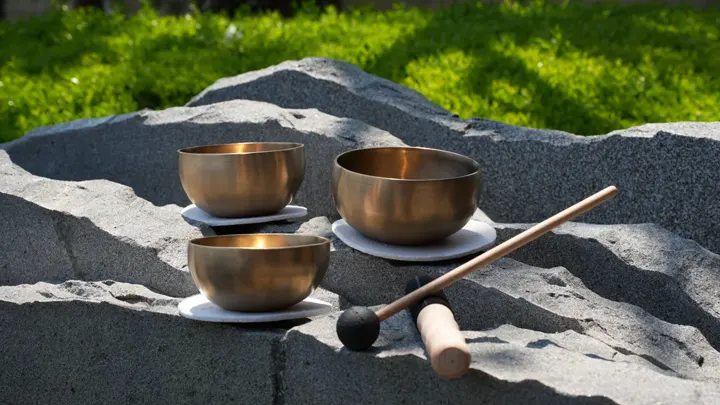
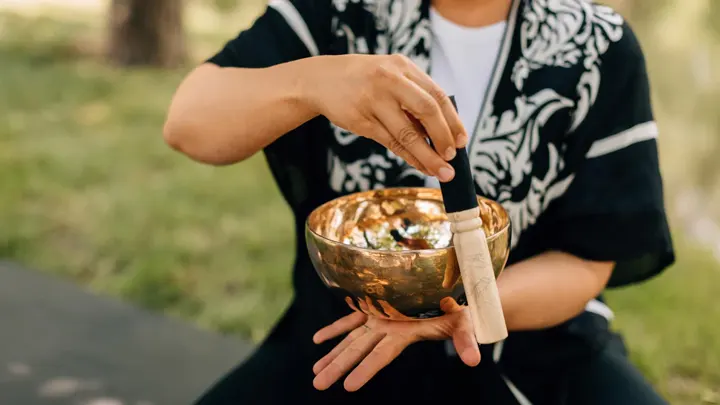
For beginners, the easiest method is to gently strike the bowl with a wooden stick. First, place the bowl on a flat surface or hold it in the palm of your hand. Hold the wooden stick firmly but gently, and strike the outer rim of the bowl. A light tap is usually enough to produce a clear, resonant tone.
Avoid hitting the bowl too hard, as excessive force can create a sharp noise rather than the smooth vibration that singing bowls are known for. The key is to allow the bowl to vibrate naturally and to listen mindfully as the sound gradually fades away.
2. Creating the Singing Sound by Rubbing the Rim
The second method is to make the bowl “sing” by moving the wooden stick slowly around the outer rim. Hold the stick upright and place gentle, even pressure against the edge of the bowl. Then slowly move it around the rim in a circular motion while maintaining steady contact. After some practice, the friction between the stick and the bowl will create a continuous humming sound. This technique usually takes more time to master than simply striking the bowl. Beginners may need to adjust the speed, pressure, and angle of the stick until they find the right balance.
Experiencing Tibetan Singing Bowls During a Tibet Tour
For travelers passionate about Tibetan culture, personally experiencing Tibetan singing bowls in the heart of the Himalayas adds a unique dimension to the journey.
Visiting Tibetan Buddhist Monasteries: Understanding the Role of Sound in Tibetan Culture
Monasteries are among the best places to immerse oneself in Tibet’s spiritual atmosphere. At sites such as Lhasa’s Jokhang Temple, Sera Monastery, and Drepung Monastery, visitors can witness Tibetan Buddhist traditions firsthand, including chanting, prayer rituals, and various religious ceremonies.
Although singing bowls may not be the primary instruments in monastic rituals, they offer visitors a broader understanding of the vital role sound plays in Tibetan Buddhist culture. The sound of monks chanting mantras, the resonance of ritual instruments, and the serene, peaceful ambiance of the monasteries all highlight the significance of sound in Tibetan spiritual life.
Exploring Tibetan Craftsmanship and Traditional Metalworking
Tibetan singing bowls are deeply rooted in the region’s long-standing tradition of metal craftsmanship. During the travels, visitors often encounter singing bowls in local handicraft shops, markets, or cultural workshops, where they can learn about the production process and admire the exquisite skills of local artisans.
A handcrafted singing bowl is far more than a simple souvenir; the processes of shaping, forging, and polishing embody the essence of traditional craftsmanship passed down through generations in the Himalayas. Interested visitors can often try playing different bowls themselves, experiencing the unique tones produced by vessels of varying sizes and shapes.
FAQs About Tibetan Singing Bowls
What is the purpose of a Tibetan singing bowl?
A Tibetan singing bowl is mainly used for meditation, mindfulness, relaxation, and cultural practices. Its deep sound and vibration are often used as a focus point during meditation or breathing exercises, helping people become more aware of the present moment.
How to tell if a singing bowl is real?
A real Tibetan singing bowl is usually recognized by its craftsmanship, material, and sound quality. Handmade bowls often have slight variations, visible hammer marks, and a rich, lasting tone when played. Buying from local shops in Tibet is also recommended.
Do Tibetan singing bowls really work?
Many people find Tibetan singing bowls helpful for relaxation and meditation because of their calming sounds and vibrations. However, their effects are based mainly on personal experience, and they should not be considered a medical treatment.
Conclusion
Tibetan singing bowls are a captivating element of Himalayan culture, blending traditional craftsmanship, unique tones, and centuries-old customs. Learning about their creation and their uses allows travelers to gain a deeper appreciation of Tibet’s rich cultural heritage.
Experiencing singing bowls firsthand in Tibet enables visitors to connect with local culture in a truly meaningful way. If you are eager to explore Tibetan traditions, ancient monasteries, and the unique atmosphere of the Tibetan Plateau, we invite you to join our Tibet tour and discover the stories behind this extraordinary land.