inquiry@tibettourism.com
 86-15728991588


.jpg)


Visiting Tibet in February offers a mix of beauty and calm. The skies are clear, the air is crisp, and snowy mountains shine brightly under the winter sun. While some remote areas remain closed due to heavy snow, places like Lhasa and Nyingchi are welcoming with peaceful monasteries and stunning scenery. Trekkers can enjoy gentle walks in the valleys, while the culture and festivals bring warmth to the season. February in Tibet is quiet, spiritual, and full of winter charm.
1. February in Tibet: Climate and Weather
February covers Tibet in a quiet winter beauty, with snow lying across valleys and mountains shining under clear blue skies. The air is cold and crisp, but the sunshine makes the days feel brighter and less harsh than expected. In Lhasa, daytime temperatures can reach around 9 °C, while nights drop to about –6 °C. Higher places such as Everest Base Camp are colder, with daytime highs of only a few degrees above zero and nights falling well below –10 °C. The dry climate also means the skies stay clear, giving you wide views of snow-covered peaks and frozen landscapes.
In eastern Tibet, areas like Nyingchi enjoy slightly milder weather. Daytime temperatures there can reach around 10 °C, with cooler nights around –3 °C. The bright winter sun makes the rivers, forests, and distant mountains look especially sharp and colorful. February is also one of the best times to admire great peaks like Mount Namcha Barwa, which often appears clearly without clouds hiding it. With the cold, clean air and bright light, February in Tibet offers some of the most peaceful and striking mountain views of the year.

2. Tibet Snowy Valleys and Mountain Views in February
February gives Tibet a calm and dreamy winter look. Snow lies quietly in the valleys, and the mountains rise high with their peaks glowing white under clear skies. The air feels sharp and clean, and the sunlight makes the snowy slopes shine even brighter. Mornings and evenings bring a soft golden light that turns the landscape into something almost magical. This season shows Tibet’s wilder, quieter side, where silence and beauty stretch across the land.
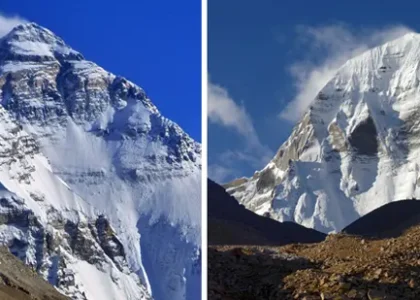
Other than popular destinations like Lhasa, in many regions especially around Nyingchi and Shannan, the winter scenery feels open and welcoming. The sunshine breaks through the cold, and the skies are so clear that faraway mountains look closer and sharper. February is also one of the best times to see famous peaks like Mount Everest and Mount Nanga Bawa, which often reveals itself fully without being hidden by clouds. For travelers, it is a chance to enjoy Tibet in its most peaceful state, where snowy valleys, glowing peaks, and wide horizons create unforgettable winter views.

3. Tibet Festivals and Traditions: February Celebrations
The most important festival in February is Losar, the Tibetan New Year. It usually falls sometime in February or March, depending on the lunar calendar. For Tibetans, this is the biggest celebration of the year and a time filled with joy, family gatherings, and religious traditions.

Preparations begin weeks in advance. Families clean their homes to sweep away bad luck and welcome fresh beginnings. They also prepare plenty of food, drinks, and snacks, along with offerings and colorful prayer flags for rituals. On New Year’s Eve, families sit together to enjoy guthuk, a special noodle soup with playful “hidden” fillings inside dough balls. Each item carries a symbolic meaning and adds fun to the evening.
When New Year’s Day arrives, people dress in their best clothes, visit family and friends, and go to monasteries for prayers. Butter tea, barley wine, and festive dishes are shared, while prayer flags are raised to spread good wishes into the wind. Losar is more than just a festival—it is a time of togetherness, renewal, and hope for the year ahead.
4.Tibet Frozen Lakes and February Winter Light
Tibet in February offers quiet, frozen landscapes where lakes shine under the crisp winter sun.
Yamdrok Lake, one of Tibet’s three holy lakes, is especially breathtaking during this season. Its long, winding surface is sealed in ice and snow, and the bright sunlight makes the lake sparkle like crystal. With the surrounding mountains mirrored against the frozen water, the whole scene feels calm and otherworldly. Despite the cold, standing by Yamdrok Lake in winter is a peaceful moment filled with fresh air and silence.
Namtso Lake is another sacred spot that turns into a wide sheet of ice during February. The frozen surface stretches far into the distance, framed by snowy mountains glowing under the clear blue sky. The early mornings and evenings here are especially stunning, when the soft light paints the peaks in gentle colors.

Lake Mansarovar, however, cannot be visited in February. Harsh winter conditions, heavy snowfall, and extreme cold make the roads impassable, and the region is closed from November to April. This means pilgrimage and trekking here are not possible or safe until spring. Still, the frozen beauty of Yamdrok and Namtso shows how magical Tibet’s lakes become in February—silent, shining, and full of winter charm.
5. February Walks and Gentle Tibet Winter Treks
February in Tibet is a quiet season for trekking, with fresh air, clear skies, and snowy mountains shining in the distance. The winter light makes the landscape feel calm and pure, perfect for travelers who want a peaceful adventure.
For gentle and easier treks, the Lhasa Valley and the Yarlung Tsangpo Valley are lovely choices. These areas stay open during winter, with trails that pass through small villages, riversides, and fields, all set against a backdrop of white-tipped peaks. The Lhasa Outskirts trail is another relaxing option, giving you short walks near the city with stunning views and a chance to feel the local way of life. For those who like something longer but not too extreme, the Ganden to Samye Monastery route is a meaningful journey. Walking between two historic monasteries lets you experience both Tibetan culture and winter mountain scenery, though the snowy paths make it more challenging in February.

And for adventurers, the Everest Base Camp (EBC) Trek offers breathtaking rewards. The skies are often the clearest in winter, giving unmatched views of Mount Everest and surrounding peaks. The trail is quieter too, making the whole experience feel more personal and special.
6. Tibet Monasteries in February : Silence and Spiritual Warmth
In February, Tibet’s monasteries feel calm and quiet, covered by soft winter light. The Potala Palace in Lhasa looks especially grand against the clear blue sky, while the Jokhang Temple and Barkhor Street are filled with pilgrims walking, praying, and turning prayer wheels. Fewer visitors come in winter, so it’s easier to enjoy the peaceful side of these sacred places.
Outside Lhasa, the Ganden Monastery rests high in the hills, where the snow makes the views even more magical. Walking the kora path here feels calm and spiritual. The Drepung Monastery, once the largest in Tibet, has bright white walls and quiet halls where monks continue their studies and prayers, offering visitors a warm place to pause.

Farther away, the Samye Monastery, Tibet’s first Buddhist monastery, is still full of color in the winter cold. Prayer flags, bright paintings, and the unique design of the monastery stand out against the snow. At Tashilhunpo Monastery in Shigatse, golden rooftops shine under the winter sun. In February, these monasteries are not only holy sites but also safe, quiet havens where travelers can feel warmth and reflection even in the heart of winter.
7. Smart Tibet Travel Tips for February Visitors
Get to Tibet in February
Traveling to Tibet in February is usually calm and not crowded, which makes the trip feel smoother. Flights and train tickets to Lhasa are much easier to book compared to the busy summer season. Many travelers choose to begin from Xining, the starting point of the Qinghai–Tibet Railway. The train ride gives you beautiful winter views of snowy mountains and wide grasslands, while also helping your body slowly adjust to the altitude. If you prefer to fly, Xining and other big cities in China offer regular flights to Lhasa, making winter travel simple and stress-free.
Xining to Lhasa Train and Flight Schedule:
| Travel Route | Ticket Price |
| Xining CaoJiaBao Airport-Lhasa Gonggar Airport Departing from 12:00 to 17:00 (2h10m, Daily, 1404km) | Economy: $276 Business: $797 |
| Xining Railway Station – Lhasa Railway Station Z223/Z323: 11:47-07:41+1, Z8981: 12:50-10:20+1 Z21: 15:32-11:42+1 Z265: 18:19-14:54+1 Z165: 19:28-15:30+1 Y971: 21:10-17:10+1 Z8991: 22:00-18:26+1 Z9819: 23:15-20:29+1 (20hrs+, Daily, 1956km) | Soft Sleeper: $111 Hard Sleeper: $71 Hard Sea: $32 |
China Visa and Tibet Permits
If you plan to visit Tibet, a few travel papers are required. First, you need a valid passport and a Chinese Visa before entering China. After that, you must have a Tibet Travel Permit, which can only be arranged through a licensed local agency such as Tibet Horizon. Travelers heading to special regions, like Everest Base Camp or certain border areas, will also need extra permits such as the Aliens’ Travel Permit or sometimes a Military Permit. During your journey, officials may check documents at different points, so it’s best to carry printed copies as well as digital versions. Having everything ready helps make your trip easier, safe, and stress-free.
Where to Stay in Tibet in February
Staying in Tibet during February is usually not too hard, though it depends on where you travel. In Lhasa, you can find many choices, from modern hotels with good facilities to smaller guesthouses that give you a warm, local feeling. This makes the city a comfortable place to rest after a day of exploring. In areas farther away, like Everest Base Camp, the choices are much simpler. Most places are small guesthouses with shared bathrooms and basic yak-hair tents run by local families would be torn down in winter. They may not have much comfort, but they give you a real experience of Tibetan life and hospitality. Even in winter, it’s a good idea to book in advance so your trip is easier and more relaxed.
Packing List for Tibet Tour in February
Going to Tibet in February means getting ready for cold, dry days at high altitude. Layering is key: bring thermal underwear, a fleece or down jacket, and a waterproof outer shell. A warm hat, gloves, and thick socks will keep you comfy on walks. Good trekking shoes or boots are a must for snowy or icy paths. Protect your skin and eyes with sunglasses, high-SPF sunscreen, and lip balm. Pack a small day backpack, a reusable water bottle, snacks, and a power bank. For health and comfort, carry any meds, hand warmers, and moisturizer to combat the dryness. Don’t forget your camera to catch those amazing winter views—and bring along patience and curiosity for a relaxed adventure.
Altitude and Cold: Staying Healthy in Tibet February
Tibet in February is stunning with its snowy views, but the high altitude and cold air can be tough on your body. The best way to stay healthy is to take it slow—spend a couple of relaxed days in Lhasa or even begin your journey in a lower city like Xining so your body can adjust gently. Drink plenty of water, around 3 to 4 liters daily, and avoid alcohol or too much coffee, as they can make you feel worse. Light meals such as rice, noodles, or porridge are easier to digest and give you steady energy. Always listen to your body—if you feel dizzy, have a headache, or feel sick, stop and rest instead of pushing forward. Warm clothes, good shoes, and hot drinks like tea will also help you stay comfortable while you enjoy the peaceful beauty of Tibet in February.
8. Conclusion
Traveling to Tibet in February is a quiet and rewarding experience. The snowy mountains, clear skies, and peaceful monasteries create a special atmosphere that feels calm and timeless. While some remote areas are closed during winter, places like Lhasa, Shannan, and Nyingchi remain welcoming, offering both culture and beauty. With good preparation—warm clothing, the right permits, and a slow pace to adjust to the altitude—your journey can be safe and enjoyable. February shows Tibet in its purest winter charm, waiting for those who seek peace and wonder.