inquiry@tibettourism.com
 86-15728991588


.jpg)


Tibet in November offers a quieter, gentler travel experience. Clear skies and fewer visitors make it an ideal time to enjoy the region’s monasteries, mountains, and peaceful streets without the rush of peak season. November is also the warmest month of the winter season, which makes Tibet travel more comfortable compared to the colder months ahead. From exploring the Potala Palace and Jokhang Temple in Lhasa to trekking near Everest Base Camp, travelers can find both adventure and calm. With proper preparation, you can enjoy a smooth journey. November truly shows Tibet at its most serene.
1. November in Tibet: Climate and Weather
November in Tibet marks the beginning of early winter. The rainy season has fully passed, leaving behind clear skies, dry air, and lots of sunshine. Days are usually bright and pleasantly warm, but nights can feel very cold, especially in higher areas. In Lhasa, temperatures can reach 12–15°C during the day, but often drop below freezing at night. Shigatse and Gyirong Port experience slightly cooler weather, while destinations like Everest Base Camp demand extra preparation for the cold—daytime highs may reach just a few degrees above zero, while nights can easily fall to –10°C or lower. Despite the chill, this is also when skies are crystal-clear, offering some of the best views of the Himalayas all year.

Nyingchi, thanks to its lower altitude, stays relatively mild with daytime highs around 16°C, making it one of the most comfortable regions to visit in November. Namtso Lake, though stunning, is already quite chilly and may start to freeze by late month. Overall, November offers plenty of sunny days, fewer tourists, and clearer mountain views. With fewer tourists, crisp air, and golden sunlight, November offers a more peaceful way to experience Tibet’s beauty.
2. Quiet Valleys and Clear Peaks: Scenic November Tibet
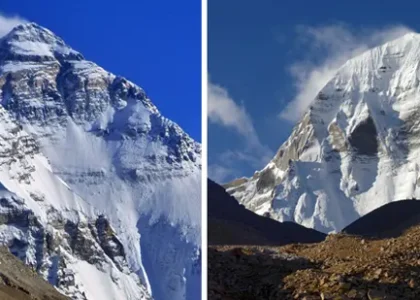
November brings a calm and peaceful side of Tibet. The skies are bright and blue, with little rain or cloud, so the mountains appear sharper and closer than ever. This is one of the best times to admire Mount Everest, as the famous peak is often free of mist. Sunrises and sunsets are especially magical, turning the snowy tops golden and pink. The valleys are quiet, rivers run calmly, and the land slowly shifts into winter colors. Fields and meadows turn pale yellow or brown, creating a soft contrast against the snowy peaks. With fewer tourists around, the paths and viewpoints feel more open, giving you a sense of space and peace.

By the Lhasa River wetlands, November is also the season for bird watching. Black-necked cranes, bar-headed geese, and ruddy shelducks gather by the water, creating lively scenes against the still landscape. Watching them rest and fly in flocks adds life and beauty to the journey. November in Tibet is not just about stunning views but also about quiet moments, where nature feels both grand and gentle.
3. Tibet November Traditions: Festival and Spiritual Moments
November in Tibet may feel quiet with fewer tourists, but for local people it is a month filled with deep meaning. The most important event is Lhabab Duchen, also called Buddha’s Descent Day. According to Tibetan belief, this day remembers the time when Buddha returned to Earth after spending months in the heavens teaching his mother and other beings. His return is seen as a gift of wisdom and compassion to all living creatures.
On Lhabab Duchen, Tibetans believe that good deeds are multiplied many times over. Because of this, families and pilgrims make a special effort to practice kindness. Many people visit temples, light rows of butter lamps, walk clockwise around holy sites, or chant prayers together. Others share food, give donations, or help those in need.

In places like Jokhang Temple in Lhasa or along Barkhor Street, the atmosphere is warm and full of devotion. The air carries the scent of incense, the murmur of prayers, and the gentle glow of countless lamps. Even though the early winter days can be cold, this festival fills Tibet with light, kindness, and faith. For travelers, joining or witnessing Lhabab Duchen is a rare chance to feel close to Tibetan culture and its deep spirit of compassion.
4. Tibet Sacred Lakes in November Light: Still Waters, Bright Horizons
November gives Tibet’s holy lakes a quiet and gentle beauty. The air is cold and clear, the skies bright, and the surrounding mountains already covered in snow.
Yamdrok Lake looks especially stunning in November. Its deep blue water shines even brighter under the clear skies, calm and graceful like a sleeping goddess. While the wind can feel sharp, the lake itself stays peaceful. With daytime temperatures around 6°C and colder nights, the lake is still open and easy to reach from Lhasa, making it a popular year-round destination for travelers.

Namtso Lake, known as the “Heavenly Lake,” begins to feel the touch of winter. Days can still reach about 11°C, but nights often fall below freezing. The water runs slowly and may start to freeze in late November, though most of the lake is still clear and blue. The snowcapped mountains around it make the views even more magical. If the road is open, a walk along its shores is unforgettable—and after, many visitors enjoy relaxing in the nearby Yangpachen hot springs.
Lake Mansarovar, at the foot of Mount Kailash, also glows under the November sun. The water is calm, reflecting snowy peaks and open skies. Pilgrims still come to walk its shores, and the lake feels timeless, a place of deep peace and spiritual strength. It would be closed due to heavy snow in winter.
5. November Treks in Tibet: Peaceful Paths and Wide Vistas
November is a quiet month in Tibet. The crowds of summer are gone, and the trails feel calm and open. Walking here at this time of year gives you both space and silence—perfect for anyone who wants to slow down and truly take in the land.
Close to Lhasa, there are gentle treks that don’t demand too much effort. A stroll from Pabonka to Pubjoi Monastery passes little hermitages on the cliffs and looks out over wide valleys. The short walk around Ganden Monastery is another favorite. It is a simple path with stunning mountain views, and the peaceful air makes it easy to pause, reflect, or even chat with friendly locals along the way.
For those seeking a deeper journey, the famous Ganden to Samye trek is still possible in early November. This trail links two of Tibet’s most important monasteries. Along the way you walk through quiet valleys, mountain passes, and pilgrim paths that have been used for centuries.
Farther west, the trek from Old Tingri to Everest Base Camp rewards hikers with clear skies and unforgettable views of the world’s highest peak. November’s crisp air makes the mountains stand out sharply, and though nights are cold, the days are often bright and calm.

6. Visiting Tibetan Monasteries in November: Peaceful Pilgrimages
November is a gentle time to visit Tibet. The air is clear, the crowds are few, and monasteries feel even more peaceful. Walking through these sacred places, you can move at a slower pace and feel the calm rhythm of daily life.
In Lhasa, the Potala Palace rises high above the city. Its white and red walls hold centuries of history, and stepping inside feels like stepping into another time. Nearby, the Jokhang Temple is the heart of Tibetan Buddhism. Pilgrims circle it every day, spinning prayer wheels and murmuring mantras, while the golden roof shines under the soft November light. Around it, Barkhor Street is alive with incense, butter lamps, and the sound of quiet devotion.

Not far from the city, the great monasteries of Drepung and Sera welcome visitors with wide courtyards and chanting monks. At Sera, you might witness the famous monk debates—lively and full of energy, even in the cooler season. A little farther, Ganden Monastery sits on a hillside, offering wide mountain views and a peaceful kora path where you can join pilgrims in a slow walk around the site.
In Shigatse, the grand Tashilhunpo Monastery stands as another highlight. Known for its golden rooftops and giant Buddha statue, it is both majestic and deeply spiritual. Visiting these monasteries in November is not just sightseeing—it is sharing in quiet moments of prayer, sunlight, and simple human connection.
7. Traveling Smart in Tibet Autumn: Tips for a Smooth Journey in November
Get to Tibet in November
Traveling to Tibet in November is much easier and more relaxed compared to the busy summer months. Flights and train tickets to Lhasa are not hard to book, so you can plan your journey with less stress. A good starting point is Xining, which connects to the famous Qinghai–Tibet Railway. The train ride from here is one of the most beautiful in the world, and staying in Xining for a while also helps you adjust to the higher altitude before reaching Lhasa. If you prefer to fly, there are several daily flights from Xining as well, making travel flexible, smooth, and worry-free.
Xining to Lhasa Train and Flight Schedule:
| Travel Route | Ticket Price |
| Xining CaoJiaBao Airport-Lhasa Gonggar Airport Departing from 12:00 to 17:00 (2h10m, Daily, 1404km) | Economy: $276 Business: $797 |
| Xining Railway Station – Lhasa Railway Station Z223/Z323: 11:47-07:41+1, Z8981: 12:50-10:20+1 Z21: 15:32-11:42+1 Z265: 18:19-14:54+1 Z165: 19:28-15:30+1 Y971: 21:10-17:10+1 Z8991: 22:00-18:26+1 Z9819: 23:15-20:29+1 (20hrs+, Daily, 1956km) | Soft Sleeper: $111 Hard Sleeper: $71 Hard Sea: $32 |
China Visa and Tibet Permits
To enter Tibet, travelers need a few important papers. The first is simple: a valid passport and a Chinese Visa. After that, you’ll also need a Tibet Travel Permit. This isn’t something you can apply for on your own—it has to be arranged through a licensed local agency, such as Tibet Horizon. Some journeys, like visiting Mount Kailash or traveling near border areas, require extra documents. These may include the Aliens’ Travel Permit and a Military Area Entry Permit. Since checks are common along the way, it’s always wise to keep both printed copies and digital photos of your permits with you. It makes the whole trip smoother and worry-free.
Accommodation and Hotel in Tibet November
Finding a place to stay in Tibet during November is usually not difficult, but the choices depend a lot on where you are. In Lhasa, you’ll find many options—from comfortable luxury hotels to smaller boutique guesthouses that show Tibetan style and warmth. Staying in the capital feels easy and welcoming. Once you travel farther, like towards Mount Everest Base Camp, the choices become much simpler. Most places here are basic guesthouses, often with shared bathrooms, or seasonal yak-hair tents set up by locals. They may not be fancy, but they offer a true taste of Tibetan hospitality. It’s still a good idea to book ahead—planning at least a few weeks in advance will make your journey smoother.
Packing List for Tibet Tour in November
Traveling in Tibet in November means bright days, cold nights, and big changes in temperature, so packing wisely is important. Bring warm layers, including a thick jacket, sweaters, and thermal wear for higher places. Comfortable walking shoes are a must for monastery visits and light treks. Don’t forget sunglasses, sunscreen, and lip balm—the sun is strong even in winter. A hat, gloves, and scarf will keep you warm in the evenings. For daily needs, pack some personal medicine, a reusable water bottle, a power bank and snacks. With these basics, you’ll be ready for a smooth and cozy journey.
Prevent Altitude Sickness in Tibet November
The clear November skies make Tibet beautiful, but the high altitude can still be tough on the body. The safest way to adjust is to take it slow. Spend a couple of easy days in Lhasa, or even better, start from a lower city like Xining before going higher. Drink plenty of water—3 to 4 liters a day—and try to avoid alcohol and too much coffee. Light meals with rice, noodles, or porridge are easier to digest and help your body adapt. If you feel unwell with headaches or nausea, rest instead of pushing on.
8. Conclusion
Visiting Tibet in November is a journey of peace and clarity. The skies are bright, the crowds are few, and the monasteries and mountains feel calm and welcoming. It is a time to walk slowly, breathe deeply, and enjoy both the landscapes and the quiet rhythm of Tibetan life. With the right preparation—permits, warm clothing, and a gentle pace—you can travel smoothly and comfortably. More than just a trip, November in Tibet offers moments of reflection, warmth, and connection you will always remember.