inquiry@tibettourism.com
 86-15728991588


.jpg)


September is a wonderful month to explore Tibet. The skies are clear, the air is fresh, and the summer crowds have mostly gone, leaving a calmer atmosphere. Days are bright and comfortable, while evenings bring a cool but refreshing chill. Sacred sites like the Potala Palace and Jokhang Temple feel more peaceful, and treks through valleys or up to monasteries offer wide, endless views. With easier travel conditions and higher oxygen levels, September makes discovering Tibet’s beauty both comfortable and deeply rewarding.
1. September in Tibet: Climate and Weather
September is one of the most pleasant months to visit Tibet. The heavy summer rains are gone, giving way to clear blue skies and plenty of sunshine. Days are usually warm but never too hot, while nights start to feel crisp, especially in higher places like Namtso Lake, Everest Base Camp, and Mt. Kailash, where temperatures can drop below freezing. In Lhasa and Shigatse, the weather stays mild, with daytime highs around 18–20℃ and cool nights perfect for strolling the old streets.
Another advantage of traveling Tibet in September is the lighter crowds. The busy summer holiday season is over, so popular sites feel calmer and more relaxed. On average, you can expect around 20 clear days in most destinations, with only light rainfall in places like Lhasa and Nyingchi. This mix of comfortable temperatures, golden sunlight, and fewer tourists makes September one of the best times to explore Tibet.
2. Tibet Autumn Landscapes in September: Clear Skies and Fresh Views
September brings a fresh clarity to Tibet’s vast land. The rainy season has passed, leaving the sky a brilliant blue, often without a single cloud in sight. Under this wide sky, the mountains stand tall and sharp, their outlines are more vivid than ever. The air feels cool and pure, carrying the quiet sound of rivers and the rustling of fields ready for harvest. Along the Lhasa River, trees begin to glow with hints of yellow, while farmers gather their barley in the golden light.

The lakes are especially beautiful in this season. Namtso and Yamdrok sparkle in bright turquoise, their waters so clear they seem to mirror the heavens. Around them, grasslands stretch in soft green, dotted with yaks grazing peacefully. Higher up, snow peaks shine under the strong autumn sun, offering unforgettable views at every turn.
As the journey continues westward, landscapes grow wilder and more dramatic, before softening again in the green valleys of Gyirong near the Nepal border—a gentle reminder of Tibet’s endless variety and quiet beauty.
3. September Festivals in Tibet: Rituals and Seasonal Gatherings
September in Tibet brings a peaceful rhythm of harvest celebrations and heartfelt traditions. One of the most cherished is the Bathing Festival—also called Karma Rishi.In Tibetan culture, this occurs in the 7th-8th lunar month, usually falling around late August to early September. Families flock to rivers and streams, bathing together to wash away illness and misfortune, often camping, picnicking, and celebrating in a gentle, ritualistic way. The Bathing Festival has a story that goes back over 800 years. Legend says that during a terrible plague, Tibetans prayed for healing and dreamed of a shining star above Lhasa and a sick girl bathing in the river who came out healthy and strong. Believing the waters were blessed, people bathed—and soon the sickness faded, bringing hope and new life to the land.
In southern Tibet, Dajyur or Damxung Horse Festival unfolds at the start of the 8th lunar month, which overlaps with solar September. For about ten lively days, the area comes alive with horse racing, strength contests like stone-carrying, and vibrant local competitions—each one a burst of joy and community spirit.

4. Shining Turquoise Lakes of Tibet September: Peace in Autumn Light
In September, Tibet’s sacred lakes show a special kind of beauty. The summer rains have mostly passed, leaving the air clear and crisp, while the skies stretch endlessly in bright blue. The lakes reflect this purity, their turquoise waters shining like jewels against the backdrop of snow-capped mountains. It’s a season that feels calm and open, inviting travelers to pause, breathe deeply, and enjoy the stillness of the land.
Yamdrok Lake remains lush and green during this time, with gentle temperatures between 5°C and 16°C. The weather is pleasant for walking along the shores, watching the turquoise waves shimmer in the sunlight, or spotting migratory birds that linger on Bird Island before their journey south. The vivid colors of the lake against the high mountains make every view unforgettable.

Namtso, known as the “Heavenly Lake,” also glows in September. With the rains easing, the skies become clearer, making the sapphire-blue waters sparkle even more brightly. Visitors can explore the Tashi Dor peninsula, meet nomads herding yaks, or simply sit by the lakeshore and watch the mountains reflect on the water. The thin, fresh air makes every detail stand out sharply, as if the world has been washed clean.
Farther west, Lake Mansarovar shines with quiet strength. Days are cool, and nights grow cold, but the air feels peaceful and pure. Walking along its turquoise edges, one can see sacred hills mirrored in the water and feel the deep calm of this holy place. Many travelers find it perfect for quiet reflection, prayer, or simply watching the light change across the wide, open skies.
5. September Treks in Tibet: Crisp Air and Endless Landscapes
Trekking in Tibet during September is a quiet joy. The summer crowds thin out, and the plateau seems to breathe again. You’ll wander through traditional villages and visit ancient monasteries without feeling rushed. The air is crisp, and the skies are often wide open, offering sweeping views that feel made for daydreaming.
Some lovely treks to try include the Ganden to Samye route, where you cross soft valleys, meandering streams, and gentle hills-each step honors centuries of spiritual tradition. For something shorter and calmer, the Shalu to Nartang trek is a great choice: it climbs from roughly 3,980 m up to around 5,000 m, making it both manageable and beautiful.

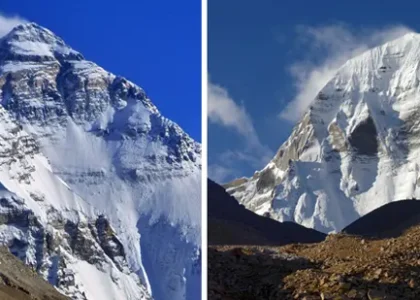
Of course, you might tackle a grander adventure, like heading toward Everest Base Camp from the Tibet side or Mount Kailash and Mansarovar Lake. Late September is a fantastic time: the summer rains have mostly stopped, leaving dry trails and crystal-clear views of Mount Everest and Mount Kailash The weather tends to hold steady at higher altitudes, even if the lower stretches remain a bit wet in the mornings.
6. Temples and Monasteries in Tibet September: A Time of Quiet Devotion
Visiting Tibet’s temples in September feels calmer and more personal than in the busy summer. The air is cool, the skies are clear, and with fewer visitors around, it’s easier to slow down and enjoy the peaceful atmosphere.
At the Potala Palace, you can climb its steps in the soft morning light without rushing through big crowds. From its golden rooftops to the sacred chapels inside, the palace feels more open for quiet moments of wonder. Nearby, the Jokhang Temple—the heart of Tibetan Buddhism—still welcomes pilgrims walking the Barkhor circuit, spinning prayer wheels, and bowing in devotion. But in September, the pace is gentler, and you can join in or simply watch without feeling overwhelmed.

Lhasa’s three great monasteries also reveal their character in this quieter season. At Drepung Monastery, once the largest in Tibet, wide courtyards and quiet halls invite reflection. Sera Monastery is still lively with the famous monk debates, but with fewer visitors you can listen more closely and take it all in. High on a ridge, Ganden Monastery offers breathtaking views of the valley below, with its kora path especially peaceful under September’s bright skies.
Further west, Tashilhunpo Monastery in Shigatse—the seat of the Panchen Lamas—welcomes you with golden rooftops, vast chapels, and the impressive statue of the Maitreya Buddha. With smaller crowds, you can move slowly, hearing the sound of chanting monks and taking in the rhythm of daily worship.
7. Smart Travel in Tibet Autumn: Practical Tips for September Visitors
Get to Tibet in September
Traveling to Tibet in September is much easier than during the busy summer rush. With the peak crowds of August gone, booking flights and trains to Lhasa becomes less stressful, yet the weather is still clear and comfortable for travel. Among the major gateways, Xining stands out as one of the best starting points. Not only is it the entry to the scenic Qinghai–Tibet Railway, but beginning your journey here also helps with a gradual adjustment to the high altitude. From Xining, daily flights connect smoothly to Lhasa, giving you flexible options, while the train offers one of the most breathtaking rail journeys in the world.
Xining to Lhasa Train and Flight Schedule:
| Travel Route | Ticket Price |
| Xining CaoJiaBao Airport-Lhasa Gonggar Airport Departing from 12:00 to 17:00 (2h10m, Daily, 1404km) | Economy: $276 Business: $797 |
| Xining Railway Station – Lhasa Railway Station Z223/Z323: 11:47-07:41+1, Z8981: 12:50-10:20+1 Z21: 15:32-11:42+1 Z265: 18:19-14:54+1 Z165: 19:28-15:30+1 Y971: 21:10-17:10+1 Z8991: 22:00-18:26+1 Z9819: 23:15-20:29+1 (20hrs+, Daily, 1956km) | Soft Sleeper: $111 Hard Sleeper: $71 Hard Sea: $32 |
China Visa and Tibet Permits
When traveling to Tibet as a foreign visitor, having the right documents makes the journey much smoother. You’ll need a valid passport and usually a Chinese Visa before anything else. In addition, every traveler must have a Tibet Travel Permit, which can only be arranged through a licensed local agency such as Tibet Horizon. If your trip takes you beyond the main routes-perhaps to Mount Kailash and Mansarovar Lake-you may also need extra permits like the Aliens’ Travel Permit or the Military Area Entry Permit. Your agency will usually handle these for you, so you can focus on the adventure ahead. Since permit checks are common across Tibet, keeping both paper and digital copies with you is the best way to travel worry-free.
Accommodation and Hotel in Tibet September
By September, the busy summer crowds in Tibet have started to thin, making it easier to find a place to stay without the same pressure as in August. In Lhasa, you’ll still have a wide choice-from well-known international hotels, to smaller boutique stays that highlight Tibetan style and warm local hospitality. Outside the capital, in towns or remote areas such as Mount Kailash or Everest Base Camp, accommodation remains simple. Expect basic guesthouses or seasonal yak-hair tents, often with shared facilities. While booking is a little easier in September, it’s still a good idea to secure your rooms at least a few weeks ahead, especially if you’re traveling to popular sites, so you can enjoy your trip in comfort and peace.
Packing List for Tibet Tour in September
When you’re heading to Tibet in September, pack with both comfort and flexibility in mind. Days are mostly dry and mild-around 7°C to 22°C-so lightweight layers like long-sleeve shirts, trousers, and a cozy sweater are perfect for daytime. But evenings can dip to around 5°C, so bring a warm down jacket just in case, especially under the wide, star-filled skies. A waterproof, windproof shell is smart for surprise breezes or high-altitude chill. Comfortable hiking boots are a must for wandering temples, trails, and uneven paths. And don’t forget sun protection-strong UV at altitude makes sunscreen (SPF 50+), lip balm, sunglasses, and a wide-brimmed hat essentials, along with a sturdy daypack to carry water, power bank, layers, and small treasures you find along the way.
Prevent Altitude Sickness in Tibet September
Even though September often brings clear skies and fresh air, the high altitudes of Tibet still demand a gentle ramp-up. To help your body adjust smoothly, start your trip with a couple of easy days in Lhasa or somewhere lower like Xining before heading higher. Take it slow on your climb-avoid rushing upward, rest often, and drink plenty of water. Light, carbohydrate-rich meals and good sleep go a long way, too. If you’re prone to altitude headaches, a doctor may recommend taking Diamox (acetazolamide). And if symptoms appear-like dizziness, nausea, or headache-pause, rest, and if needed, descend a bit. By pacing yourself, you’ll get to enjoy Tibet’s beauty without your body calling a time-out.
8. Conclusion
Traveling to Tibet in September is a truly special experience. The busy summer crowds have gone, the weather is clear and pleasant, and the land feels calm and welcoming. From sacred monasteries and turquoise lakes to peaceful mountain trails, every step offers both beauty and a chance for reflection. With a little preparation-whether it’s booking your permits, packing wisely, or taking time to adjust to the altitude-you can enjoy the journey with comfort and peace of mind. September invites you to see Tibet at its gentlest, where nature and culture blend in harmony.