inquiry@tibettourism.com
 86-15728991588


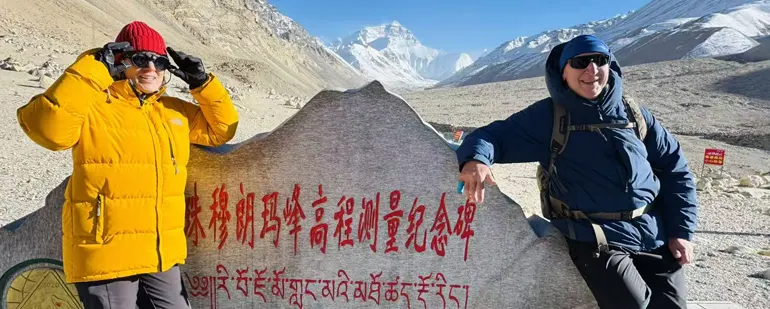
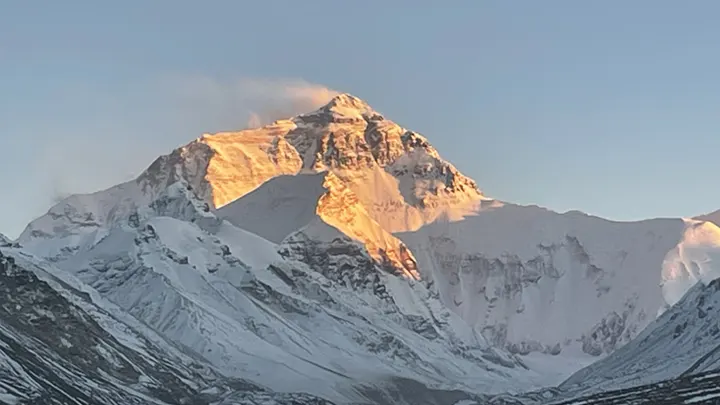
Planning a trip to Everest Base Camp in Tibet requires careful preparation, especially when it comes to choosing the right gear. Located at a high altitude on the northern side of Mount Everest, the Tibetan Everest Base Camp offers breathtaking views of the world’s highest mountain, but the environment can also be challenging. Cold temperatures, strong winds, intense sunlight, and sudden weather changes make suitable clothing and travel essentials important throughout your journey.
For a regular sightseeing trip to Everest Base Camp in Tibet, you do not need the specialized equipment used for summit expeditions. Instead, focus on comfortable clothing, suitable footwear, sun protection, and practical travel essentials for the high-altitude environment. This guide covers the essential Mount Everest gear to pack, seasonal clothing recommendations, and the travel documents you need for your Tibet adventure.
What Gear Do You Need for Mount Everest?
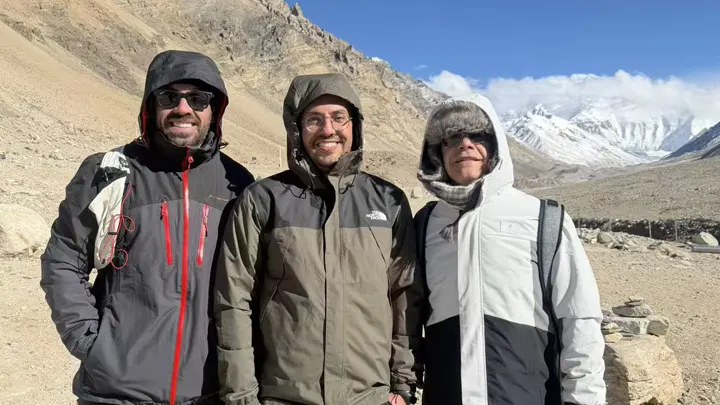
Before packing, it’s helpful to understand what you might encounter at Everest Base Camp. Located at an altitude of about 5,200 meters (16,400 feet) on the Tibetan side, temperatures can drop sharply, especially at night and during the colder months. Even on clear days, the wind can make it feel much colder than a thermometer indicates.
Your Everest Base Camp packing list should prioritize versatile items that can withstand the changing environment. Layers of clothing allow you to adjust to temperature changes throughout the day, while sturdy shoes ensure comfort on the rugged terrain. Sunglasses, sunscreen, and a warm hat are also essential, as the sun remains very strong at high altitudes, even though the air feels cold.
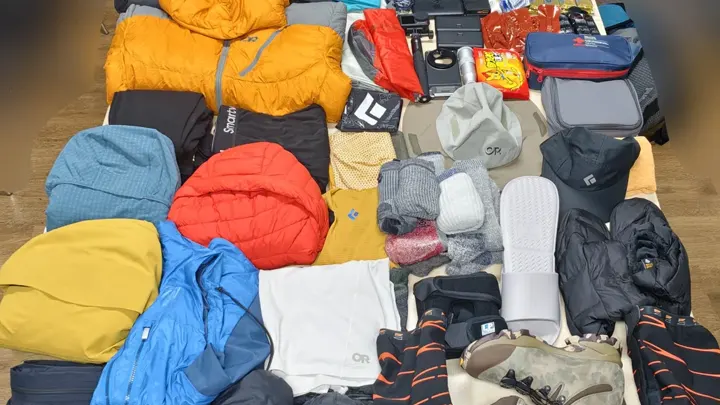
For most travelers, essential items include thermal underwear, a fleece jacket, a warm outer jacket, a windproof jacket, comfortable walking shoes, sun protection, and a small backpack. You should also bring personal medications, a water bottle, a power bank, and the necessary travel documents for Tibet.
The specific equipment you need will depend on the season, the length of your trip, and whether trekking is included. If you are traveling in a group, please kindly check the itinerary in advance to prepare accordingly and avoid bringing unnecessary equipment.
What to Wear to Everest Base Camp in Tibet
Choosing the right clothing is one of the most important aspects of preparing for Everest Base Camp. Instead of wearing just a heavy coat, wear multiple layers to keep warm, wick away sweat, and protect against wind and rain. This allows you to adapt flexibly to sunny afternoons, cool mornings, and chilly nights.
1) Thermal Base Layers for Everest Base Camp
Base layers help retain body heat and wick away moisture in cold conditions. Choose thermal tops and long underwear made from merino wool or synthetic quick-drying fabrics, which dry faster than cotton. Pack at least one set and add more depending on your trip length and laundry access. Lightweight layers suit warmer days, while thicker options are useful in colder months.
2) Fleece Jackets and Down Jackets for Cold Weather
A fleece jacket provides an effective middle layer for sightseeing and short walks. For colder conditions, bring a down or synthetic insulated jacket to keep warm, especially during early mornings and evenings. Summer visitors should also pack a warm coat, while winter travelers may need a thicker insulated jacket for extended periods outdoors.
3) Windproof and Waterproof Clothing for Everest Base Camp
Strong winds can make temperatures feel much lower, so pack a windproof shell to protect yourself from the chill. A waterproof jacket is also useful when weather conditions change, and waterproof trousers may be necessary for hiking in wet conditions. For regular sightseeing, layered clothing and a protective outer shell are generally sufficient. Check the weather forecast before departure and adjust your packing list accordingly.
What Shoes Should You Wear to Everest Base Camp?
Choosing the right shoes is also crucial for your Everest Base Camp gear list. The terrain around Everest Base Camp in Tibet is rugged and uneven, potentially including loose gravel and rocky surfaces, so comfortable shoes with good grip will make walking much easier. For a typical sightseeing trip, sturdy walking shoes or lightweight trekking boots are usually sufficient, as long as they provide adequate support and traction.
If your itinerary includes longer walks or treks on rugged terrain, it’s recommended to choose well-fitting hiking boots or mountaineering boots with good sole support. Waterproof shoes are useful in wet conditions, but they aren’t necessary for every trip. Whatever shoes you choose, you should try them on before setting off to ensure a comfortable fit and reduce the risk of blisters.
You can also pack a pair of lightweight shoes to wear in hotels or other accommodations. This allows you to separate your outdoor and indoor shoes, giving your feet a rest after a day of sightseeing.
Sun Protection Gear for Everest Base Camp
The high-altitude environment at Everest Base Camp exposes visitors to strong ultraviolet (UV) radiation, making proper sun protection a key part of your packing list. Including sun protection in your Mount Everest gear checklist helps you stay comfortable during outdoor activities.
Sunglasses: Choose sunglasses that provide 100% UVA and UVB protection or are labeled UV400. They help protect your eyes from ultraviolet radiation and reduce glare in bright conditions. Wraparound styles can offer additional coverage against sunlight entering from the sides.
Sunscreen: Carry a sunscreen with an SPF of at least 30 and apply it to exposed skin before going outside. It is recommended to reapply frequently according to the product instructions, especially after sweating or wiping your face. Small tubes of sunscreen are easy to carry.
Sun hat: A wide-brimmed hat or a cap with a neck flap can help shade your face and neck. If you choose a regular hat, try not to expose your ears and the sides of your cheeks.
Lip balm: Cold air, wind, and dry conditions can leave your lips feeling dry and cracked. A lip balm with SPF provides additional protection against sun exposure while helping keep your lips moisturized.
Even during colder months, do not assume that low temperatures mean weak sunlight. Keep your sunglasses, sunscreen, and hat accessible so you can use them whenever you spend time outdoors.
Essential Travel Accessories and Personal Items for EBC Trip
Some practical accessories can make your Everest Base Camp trip more comfortable. Choose items based on your itinerary and personal needs; you don’t need to bring all of the following.
1) Daypack for Everest Base Camp
A small daily backpack is perfect for carrying items such as water, spare clothes, sunscreen, snacks, and a camera. Choose a backpack with comfortable shoulder straps and enough space to hold your daily essentials. A waterproof bag or rain cover can protect your belongings in the rain.
2) Water and Snacks for Your Trip
Bring a reusable water bottle to stay hydrated throughout the day. A thermos can keep water warm in cold environments. Snacks such as nuts, biscuits, or energy bars are also convenient for long sightseeing trips. Remember that adequate hydration and nutrition do not prevent altitude sickness, so allow time for acclimatization and follow your guide’s advice.
3) Cameras, Phones, and Power Banks
A camera or smartphone allows you to capture the magnificent views of Mount Everest, while a power bank helps keep your devices charged during long journeys. Low temperatures can degrade battery performance, so please protect your devices from the cold as much as possible. Bring a suitable charging cable and confirm whether your accommodation requires a power adapter.
4) Personal Medications and First Aid Kit
Bring sufficient prescription medication for emergencies and allow extra time for potential delays. A small first aid kit containing bandages and blister packs is also helpful. Due to the high altitude of Everest Base Camp, consult a medical professional before departure for precautions related to altitude sickness. Proper acclimatization training and timely medical care remain crucial.
What Documents Do You Need to Visit Everest Base Camp in Tibet?
Foreign travelers visiting Everest Base Camp in Tibet generally need a valid passport, a Chinese visa or eligible visa-free entry, and a Tibet Travel Permit. The permit must be arranged through an authorized Tibet travel agency and cannot be obtained independently. Depending on your itinerary, additional permits may be required for certain restricted areas. For the standard Everest Base Camp sightseeing route, foreign travelers no longer need an Aliens’ Travel Permit following the policy change on June 4, 2025.
At Tibet Horizon, we help our guests arrange the required Tibet Travel Permit and confirm the documents needed for their itinerary. To prepare for your trip, provide your passport details and relevant visa or entry information in advance, and follow our guidance throughout the application process. We also recommend travel insurance that covers high-altitude travel, emergency medical treatment, and evacuation where available. As entry and permit requirements may change, please confirm the latest regulations with us before departure.

Conclusion: Prepare Your Mount Everest Gear for a Comfortable Trip
Preparing the right Mount Everest gear will make your Everest Base Camp trip more comfortable and enjoyable. The key is to choose layered clothing, suitable shoes, sun protection, etc. The final packing list should be adjusted according to the season, weather conditions, and itinerary.
Thoughtful preparation will save you time worrying about packing, allowing you more energy to appreciate the magnificent scenery and unforgettable landscapes of Mount Everest. Before departure, we recommend confirming your itinerary with us and receiving the latest official guide to ensure a smoother trip.