inquiry@tibettourism.com
 86-15728991588


.jpg)


July in Tibet is full of life and color. Warm sunshine covers the green grasslands, wildflowers bloom in the fresh mountain air, and the sounds of music, prayer, and laughter fill the days. Nomads meet for exciting horse races, pilgrims walk around holy lakes, and local people celebrate their old traditions with joy. Most mornings are sunny and clear—great for visiting monasteries or hiking in the hills—while short afternoon rains cool the land. Whether you come for the beautiful views, the rich culture, or the quiet moments, July shows Tibet at its warmest and most welcoming.
1. July in Tibet: Climate and Weather
July is peak summer in Tibet, offering travelers the warmest and greenest landscapes of the year. The entire plateau comes alive with flourishing grasslands, full rivers, and long hours of sunshine, making it one of the most beautiful times to explore the region. However, it’s also the beginning of the monsoon season, bringing occasional afternoon showers, especially in the eastern and southern parts of Tibet.
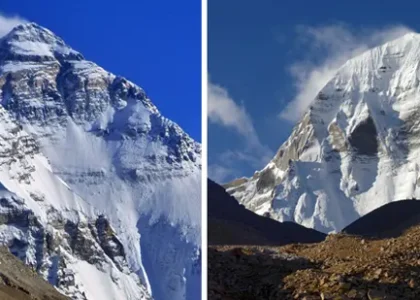
The weather during this time is generally mild and pleasant. In Lhasa, daytime temperatures average around 25°C (77°F), while nights cool down to about 8°C (46°F). Higher-altitude areas like Namtso Lake, Everest Base Camp (EBC), and Mount Kailash remain significantly cooler, especially after sunset. At EBC, for instance, temperatures range from 18°C during the day to 6°C at night. Despite the rain, many destinations such as EBC and Mt. Kailash still enjoy a high number of clear days—up to 18 or 19 in July.
2. Tibet Highland Summer Bloom: Green Valleys and Wildflower Magic
In July, Tibet transforms into a stunning highland paradise as summer warmth breathes life into its vast alpine meadows and valleys. The melting snow from the mountains feeds rivers and nourishes the land, painting the landscape in brilliant shades of green. Hillsides in regions such as Nyingchi, Lhoka, and Shannan become especially vibrant, offering breathtaking views of rolling greenery under expansive blue skies.

While the lower elevations are fully verdant, wildflowers continue to bloom in the higher-altitude areas. Travelers can still find patches of delicate blue poppies, edelweiss, primrose, and other alpine blossoms clinging to rocky slopes or scattered across mountain passes. These colorful blooms, paired with the crisp summer air, create a dreamlike setting ideal for both casual nature lovers and serious landscape photographers.
Early mornings in July are particularly rewarding, as the light is soft and golden, mist often lingers in the valleys, and the scenery appears at its most serene. It’s a perfect time for photography, with dew-kissed petals, clear views of the snowcapped peaks, and reflections dancing on the surface of rivers and lakes.
3. July Festivals in Tibet: Summer Celebrations of Culture and Faith
July is one of the most festive months in Tibet, marked by a vibrant blend of nomadic traditions, Buddhist spirituality, and community celebration. Among the most exciting are the traditional horse racing festivals, widely celebrated in Nagqu, Yushu, and Damxung. These highland gatherings feature thrilling events like horse and yak racing, mounted archery, and wrestling, alongside colorful displays of traditional dress, folk dances, and bustling trade fairs. For locals, these festivals celebrate nomadic pride, unity, and blessings for the summer harvest.

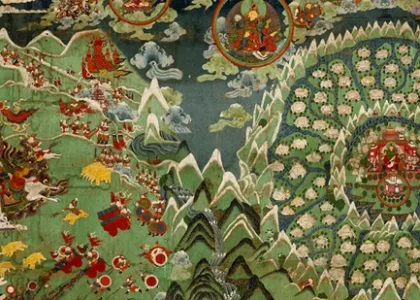
Another major event is the Tashilhunpo Thangka Festival held in Shigatse, where giant embroidered images of the Buddha are unfurled on the monastery walls. Pilgrims gather in the thousands to pay homage, make offerings, and receive blessings. It’s a rare and visually stunning spectacle of Tibetan devotion and artistry.
Also in July, Tibetans observe the World Incense Festival, during which aromatic smoke fills the air as locals burn incense on mountain ridges to honor the gods and protect their communities from misfortune. It’s a day of gratitude, with offerings made to both spiritual and natural forces.
Spiritual life peaks during Chökhor Düchen, a significant Buddhist holiday commemorating the Buddha’s first teaching in Sarnath. Monasteries across Tibet hold sutra chanting, lamp lighting ceremonies, and religious processions, offering travelers a deeply moving experience of Tibetan faith.
Together, these July festivals showcase the soul of Tibet—its deep-rooted spirituality, vibrant cultural identity, and love for community celebration.
4. Sacred Lakes in Tibet Summer: Pilgrimage, Reflection, and Monsoon Beauty
July unveils the sacred lakes of Tibet in their most awe-inspiring form. The combination of summer warmth and the onset of the monsoon transforms these alpine waters into surreal, living landscapes. Rainfall, while generally light and scattered, brings a mystical charm—clouds drift low over snow-capped mountains, skies turn dramatic with deep hues, and still lake surfaces mirror the heavens with ethereal beauty.
This is a particularly rewarding time for spiritual travelers and nature lovers alike. Lakes like Yamdrok, Namtso, and Mansarovar hold deep religious significance in Tibetan Buddhism and Bon traditions. Pilgrims often undertake kora around these lakes during July, believing that walking their sacred perimeters washes away sins and brings spiritual merit.
Lake Mansarovar, located near Mount Kailash, sees a peak in pilgrim activity in early July as conditions become favorable.
Namtso Lake, famed for its turquoise waters and sweeping views, is typically accessible for overnight stays in July. Travelers can apply for permits and opt for camping experiences along its serene shores, where the highland silence is occasionally broken by chants of passing pilgrims or the call of migratory birds.
Yamdrok Lake is one of the biggest lakes in Tibet, stretching more than 72 kilometers long. It sits among snowy mountains and is filled by many small streams. The lake’s calm, wide waters and beautiful setting make it a peaceful and special place to visit in summer.

Less visited but equally enchanting, Siling Co offers a peaceful escape with lush grasslands, seasonal birdwatching opportunities, and gentle lakeside breezes.
The mix of spirituality, biodiversity, and scenic splendor makes Tibet’s lakes especially captivating at this time of year.
5. Tibet Summer Trekking Adventures: Alpine Discoveries and High-Altitude Exploration
July marks a prime season for trekking in Tibet, with alpine trails fully accessible and landscapes vibrant from recent snowmelt. Iconic routes like the Mount Kailash kora and Ganden to Samye Monastery trek offer rewarding experiences, with blooming wildflowers, open passes, and spiritual encounters along the way. The Everest Base Camp trail also draws many adventurers in July, thanks to the green hills and the chance of stunning early-morning views before clouds gather later in the day.

Although it’s the rainy season, Tibet’s unique climate means it typically rains only during the late afternoon or evening. Mornings and early afternoons remain mostly dry and clear, providing ideal trekking windows. On average, there are still about 27 clear days each month, making it very possible to enjoy sunlit hikes even in July.
Rainfall levels vary widely depending on the region. Eastern and southern areas like Nyingchi, Lhasa, and Shigatse receive moderate rain (around 120–130mm in July), but more remote and higher-altitude locations like Mount Kailash in Ngari and Namtso Lake in the north see minimal precipitation—just 25mm per month, or less than 1mm per day. These areas remain excellent for trekking and sightseeing, even in the rainy season.
Trekkers are advised to pack rain gear, grippy footwear, and stay aware of weather changes. Thanks to open roads and stable trail conditions, more remote itineraries—including monastery-to-monastery hikes, yak-assisted treks, and camping adventures—are not only feasible but especially rewarding in this season.
6. Sacred Sites in Tibet Summer: Spiritual Serenity and Living Traditions
July offers some of the most comfortable weather of the year to explore Tibet’s cultural landmarks. With highland temperatures mild and skies often clear in the mornings, it’s an ideal time to visit sacred sites such as Jokhang Temple and the Potala Palace in Lhasa. These iconic destinations are at their liveliest during this season, drawing pilgrims and travelers alike who seek both architectural grandeur and spiritual depth.
Outside the capital, places like Samye Monastery—Tibet’s first Buddhist monastery—can be accessed through green, flourishing trails. The summer landscape enhances the experience, turning a spiritual visit into a scenic journey. In western Tibet, the ancient ruins of the Guge Kingdom and nearby Piyang Dongga caves are not only open but especially photogenic after light rains have cleared the air and added dramatic contrasts to the surrounding earth-toned cliffs.

July is also a time when local temple festivals may be held, often featuring rituals, chanting, and community gatherings. While dates can vary by location and lunar calendar, visitors may find themselves unexpectedly welcomed into local celebrations—an enriching opportunity to witness Tibetan Buddhist traditions up close.
The combination of pleasant weather, blooming nature, and fewer tour groups in some areas makes this an excellent month for quiet spiritual reflection. Whether you’re lighting a butter lamp inside an ancient shrine or meditating in the crisp mountain air, Tibet in July offers serenity, insight, and a profound sense of timelessness.
7. Traveling Tibet Smart in Summer: Tips for a Smooth Journey
Get to Tibet in July
Traveling to Tibet in July is rewarding, but it requires careful planning due to the summer high season. Flights and trains to Lhasa are in high demand, especially from popular hubs like Chengdu, Xi’an, and Xining. The Qinghai–Tibet Railway remains a scenic favorite, offering stunning views of vast grasslands, grazing yaks, and nomadic herding communities as the train ascends to the high plateau. Regardless of your chosen mode of transport, booking at least a few weeks in advance is essential—not just for tickets, but also for travel permits. Here we just take Xining to Lhasa travel route for your reference.
| Travel Route | Ticket Price |
| Xining CaoJiaBao Airport-Lhasa Gonggar Airport Departing from 12:00 to 17:00 (2h10m, Daily, 1404km) | Economy: $276 Business: $797 |
| Xining Railway Station – Lhasa Railway Station Z223/Z323: 11:47-07:41+1, Z8981: 12:50-10:20+1 Z21: 15:32-11:42+1 Z265: 18:19-14:54+1 Z165: 19:28-15:30+1 Y971: 21:10-17:10+1 Z8991: 22:00-18:26+1 Z9819: 23:15-20:29+1 (20hrs+, Daily, 1956km) | Soft Sleeper: $111 Hard Sleeper: $71 Hard Sea: $32 |
China Visa and Tibet Permits
For foreign travelers, the correct documentation is crucial. You’ll need a valid passport, Chinese Visa for some countries, and a Tibet Travel Permit, which must be arranged through a licensed agency such as Tibet Horizon. Depending on your route, additional documents like the Aliens’ Travel Permit and Military Area Entry Permit may also be required. Permit inspections are more frequent, especially in border and remote areas, so always carry both physical and digital copies of all your documents to ensure smooth passage.
Accommodation and Hotel in Tibet July
Accommodation is also competitive during this peak season. Lhasa offers a full range of choices, from international luxury hotels like Shangri-La and St. Regis, to elegant boutique lodges with Tibetan character. In smaller towns and rural areas, simpler guesthouses are common, and places like Everest Base Camp and Mount Kailash may require camping or overnighting in seasonal yak-hair tent hotels or guesthouse. Wherever you go, it’s wise to secure rooms at least a month in advance to avoid disappointment.
Packing List for Tibet Tour in July
Travelers should dress for both warmth and flexibility. Lightweight clothing like t-shirts and trousers are perfect for daytime, but a windproof and waterproof jacket is essential for sudden weather changes and cool evenings. Comfortable hiking shoes with good grip and waterproofing are highly recommended, especially if you’re trekking or visiting remote areas. Since Tibet sits at a high altitude, sun protection is vital—sunglasses, hats, high-SPF sunscreen, and lip balm are must-pack items. A compact umbrella or rain poncho will also come in handy during afternoon showers. Additionally, bringing power banks, rain covers for your gear, and reusable water bottles can enhance comfort and preparedness during your trip.
Prevent Tibet Altitude Sickness in July
Even during summer, altitude sickness is a concern for visitors. It’s important to spend at least one or two days acclimatizing in lower-altitude cities like Lhasa or Shigatse before venturing to higher locations such as Namtso, Everest Base Camp, or Mount Kailash. Drinking plenty of water, avoiding strenuous activities in the first few days, and carrying altitude medication can help reduce symptoms.
8. Conclusion
July is one of the most rewarding times to visit Tibet, offering a rich blend of natural beauty, cultural celebration, and spiritual depth. Summer paints the highland valleys in vibrant green, while wildflowers bloom at higher elevations. Festivals like the horse racing events in Nagqu and the grand Thangka unveiling in Tashilhunpo add excitement and tradition to the season. Though it’s the rainy season, showers are typically brief and occur in the late afternoon or evening, leaving most days clear and pleasant for sightseeing and photography. Sacred lakes like Namtso and Mansarovar remain accessible, and major temples and monasteries welcome visitors in comfortable weather. However, as July is peak travel season, early booking for transportation, accommodations, and necessary permits is essential. With thoughtful planning, a July journey through Tibet promises unforgettable landscapes, deep cultural encounters, and moments of peace amid the cool mountain air.