inquiry@tibettourism.com
 86-15728991588


.jpg)


What are Tibetan Prayer Flags?
Tibetan prayer flags, including Lungta (horizontal “wind-horse”) and Darchog (vertical banners), are colorful pieces of cloth, usually square or rectangular, printed with sacred symbols, mantras, and prayers. They are traditionally hung in high places like mountain passes, temples, and rooftops. These flags are believed to carry blessings and positive energy on the wind, spreading peace and compassion to everyone around. Seeing these fluttering flags against the stunning Tibetan landscape is truly a magical experience for any visitor.

What is the meaning behind the prayers and mantras on the flags?
Each flag is printed with sacred mantras and imagery–most famously “Om Mani Padme Hum,” the mantra of compassion associated with Avalokiteshvara. The central Wind Horse (Lungta) carries the Three Jewels (Buddha, Dharma, Sangha), symbolizing the transformation of misfortune into good fortune. Surrounding elements, four dignities like snow lion, dragon, tiger, and garuda, offer additional protection and blessings.
What do the colors of Tibetan Prayer Flags mean?
Tibetan prayer flags always come in five vibrant hues: blue, white, red, green, and yellow; their order mirrors cosmic harmony. Blue represents the sky or space, conveying wisdom and openness. White symbolizes air and wind, evoking purity and cleansing energy. Red stands for fire, channeling vitality, passion, and inner transformation. Green represents water, bringing balance, harmony, and the flowing rhythm of life. Lastly, yellow signifies earth, grounding you in stability, nourishment, and endurance. Together, these colors honor the five elements and the delicate balance of nature.
Where can you see Tibetan Prayer Flags in Tibet?
You can see Tibetan prayer flags in some of the most breathtaking locations across Tibet, where colorful banners flutter in the wind and create unforgettable scenery:
Mountain Passes:
Prayer flags are everywhere in Tibet’s mountains, especially at high mountain passes where the wind can carry prayers across the land. One famous spot is Dolma-La Pass, near Mount Kailash. It’s over 5,600 meters and covered with colorful flags. Another great place is Gawu La Pass, where you can see amazing views of Mount Everest with prayer flags flying all around. These passes are perfect for photos and feeling the peaceful spirit of Tibet.

Sacred Mountains and Peaks:
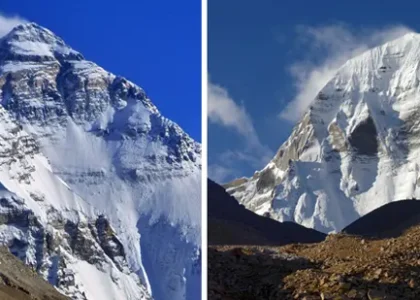
Tibet’s holy mountains are special places to see prayer flags. Mount Kailash is one of the most sacred mountains in the world, and pilgrims hang many flags along the path around it. At Everest Base Camp, the north side of Mount Everest, visitors can see rows of prayer flags waving in the wind against the snowy mountains. It’s a beautiful and spiritual experience.

>> Join our 15 days Lhasa EBC kailash Mansarovar Join-in Group Tour
Sacred Lakes:
Prayer flags also appear around Tibet’s beautiful lakes. At Lake Namtso, you’ll find flags tied to rocks, trees, and poles near the water. The flags look amazing with the blue lake and snowy mountains in the background. People hang them here to make wishes or give thanks for good fortune.

>> Join our 9 days Lhasa Everest Namtso Join-in Group Tour
Lhasa and Temples Nearby:
In Lhasa, the capital of Tibet, you’ll see prayer flags almost everywhere–on rooftops, across streets, and especially around Barkhor Street, near the famous Jokhang Temple. There, locals and visitors walk the prayer path while the flags flutter above. Just outside the city, Pabonka Hermitage is a quiet place where you can enjoy the view and see prayer flags blowing gently in the mountain breeze.

Pilgrimage Trails and Valleys:
If you go trekking or take a road trip through Tibet’s valleys and mountain areas, you’ll spot prayer flags along the way. Trails around Mount Kailash are full of them, especially near resting spots and sacred stones. In eastern Tibet, places like Yala Pass and Zheduo Pass also have many flags placed by travelers and locals for blessings and safety. These areas are less crowded but very beautiful.

Is it okay to have Tibetan Prayer Flags?
Yes, it is okay to have Tibetan prayer flags, as long as you treat them with respect. In Tibetan Buddhism, prayer flags are sacred objects, printed with prayers and mantras meant to spread blessings of peace, compassion, and harmony to all beings as the wind blows through them. You don’t need to be a Buddhist to hang them. Many Tibetans believe that anyone, regardless of religion or background, can use them to send good wishes into the world.
Can tourists buy or hang their own Tibetan Prayer Flags?
Yes, tourists are welcome to buy and hang Tibetan prayer flags. You can find prayer flags in many places across Tibet, such as local markets in Lhasa, shops near temples, and even in monasteries where some flags are blessed by monks.
When you hang your prayer flags, choose a high place like a rooftop, tree branch, or mountain pass where the wind can carry the prayers. The traditional order of colors—blue, white, red, green, and yellow—should be followed. It’s best to hang them on a sunny or windy day, and some people prefer special days like Tibetan New Year (Losar) and Saga Dawa Festival.
Over time, your flags will naturally fade, which is seen as a sign that the prayers have been released into the world. When the flags become too old, it’s respectful to let them fade naturally or burn them gently, rather than throwing them away. By following these simple steps, you can take part in this beautiful tradition in a meaningful and respectful way.
Where can I hang a Tibetan Prayer Flag at home?
Tibetan prayer flags are traditionally hung outdoors, where the wind can carry the prayers they contain. However, they can also be placed indoors, especially in areas like doorways, around windows, or even in meditation spaces. It’s important to avoid placing them on the ground or in the trash, and they should always be treated with respect.
What is the order of the Tibetan Prayer Flags?
Tibetan prayer flags are bright and beautiful, but their colours aren’t just for show. Each hue signifies an element—and the flags are always arranged in a specific order, from left to right: blue, white, red, green, yellow.
Can Christians hang Tibetan Prayer Flags?
Yes, Christians can hang Tibetan prayer flags if they do so with understanding and respect. While prayer flags are rooted in Tibetan Buddhism, their messages, such as peace, compassion, and goodwill, are values that many people of different faiths, including Christianity, also share. Some Christians choose to hang prayer flags not as a religious act, but as a cultural expression or a symbol of hope and unity. The key is to approach the tradition thoughtfully, without treating the flags as religious tools or objects of worship. Hanging them outside, where the wind can carry their blessings, is a common and respectful practice. As long as the intention is sincere and the practice is done with care, many people see no conflict in Christians participating in this peaceful tradition.
When to hang Tibetan Prayer Flags?
Traditionally, people hang them during important times such as Losar (Tibetan New Year) or the holy month of Saga Dawa. These times are believed to bring extra good luck and positive energy. It’s also a good idea to avoid certain “unlucky days,” which are marked on the Tibetan calendar. But don’t worry too much–what matters most is your kind intention. Even if it’s not a special day, hanging prayer flags with a peaceful heart and good wishes is always welcome. So when you visit Tibet, choose a nice clear day, find a good spot, and let your flags fly in the wind!
What are the rules for Tibetan Prayer Flags hanging?
Overall, when hanging Tibetan prayer flags, there are some respectful and meaningful rules to follow.
1. Have a good intention
Before you hang the flags, take a moment to think kind thoughts, like wishing for peace, health, or happiness for yourself and others. It’s not about asking for luck just for yourself, but about sending good energy to the world.
2. Use the five colors in the correct order
Prayer flags always come in five colors, and the order is important: Blue – White – Red – Green – Yellow, from left to right. Each color stands for one of the five natural elements and should not be rearranged or separated.

3. Hang them high and respectfully
Choose a high, clean place where the wind can blow freely, like a rooftop, between trees, or on a mountain pass. Never let them touch the ground, as that is considered disrespectful.
4. Pick a good day to hang them
The best time is on a sunny, windy morning. In Tibet, people prefer to hang them on special days like Losar (Tibetan New Year) or Saga Dawa. If you want to follow tradition more closely, you can ask your local guide or check the Tibetan calendar for “lucky days.”
5. Never throw old flags away
When the flags fade or tear, it means their prayers have been released. Don’t put them in the trash. Instead, let them fade naturally, or respectfully burn or bury them to honor their purpose.
6. Treat them with care
Avoid stepping over them or using them as decoration for parties or fashion. Store them neatly if you’re not using them right away.
Why should you visit Tibet to see Tibetan Prayer Flags?
Tibetan Prayer Flags aren’t just colorful decorations. Each flag is painted with special prayers and symbols, and the five colors represent elements of nature–blue for the sky, white for the clouds, red for fire, green for water, and yellow for the earth. When you visit Tibet, these flags are everywhere, adding a touch of magic to some of the most spectacular sights on earth.
Take a trip to Namtso Lake, one of the highest saltwater lakes in the world. Here, prayer flags line the shore, fluttering gently as the turquoise waters stretch out to meet the horizon. It’s the perfect place to relax, soak in the peaceful atmosphere, and maybe even try your hand at local fishing. Or visit the Potala Palace, a UNESCO World Heritage site and former residence of the Dalai Lama. As you explore this magnificent building, you’ll see prayer flags fluttering from the rooftops, adding a spiritual touch to the grand architecture.
But the fun doesn’t stop there. Tibet has so much more to offer. Indulge in delicious local cuisine like momos (dumplings), thukpa (noodle soup), and butter tea. Join in traditional festivals like the Shoton Festival, where you can watch colorful mask dances and enjoy freshly made yogurt. And don’t forget to visit local markets, where you can pick up unique souvenirs like handwoven carpets, Tibetan jewelry, and of course, your own set of prayer flags.
Seeing Tibetan Prayer Flags in person is more than just ticking an item off your bucket list. It’s about immersing yourself in a rich culture, experiencing breathtaking landscapes, and creating memories that will last a lifetime. So why wait? Pack your bags, book your Tibet tour, and get ready to be amazed by the beauty and wonder of Xizang.