inquiry@tibettourism.com
 86-15728991588


.jpg)


August in Tibet is full of color, celebration, and peaceful moments. The grasslands are still green, rivers run clear, and the air feels fresh after short evening rains. Days are usually sunny, making it perfect for exploring sacred lakes, hiking in the hills, or visiting monasteries. Festivals like the Nagqu Horse Racing, Ganden Thangka, and Shoton fill the month with music, tradition, and joy. While it’s the busiest travel season, you can still find quiet by starting your days early or visiting less-crowded spots. With warm welcomes, breathtaking views, and deep cultural experiences, August shows Tibet at its most lively and inviting.
1. August in Tibet: Climate and Weather
August is the peak of the rainy season in Tibet, but the rain usually comes in short bursts during the evening or night. Days often remain dry and sunny, with strong sunlight and clear skies. Daytime temperatures range from 10°C to 25°C, depending on the area. Lhasa and Shannan are warmer, while Nagqu and Ali are cooler, especially at night. Evenings feel cozy and peaceful—perfect for resting after a day of exploration.
The air feels fresh and slightly humid due to the rain, and oxygen levels are higher, making it more comfortable for visitors who aren’t used to high altitudes. Overall, the Tibet weather is mild and pleasant, making August a great time to escape the summer heat found elsewhere.
2. Tibet Highland Stillness: Grasslands, Rivers, and Fading Wildflowers
August in Tibet offers quiet beauty as the landscape settles into a softer, more reflective rhythm. The wide grasslands of Nagqu and Damxung remain lush and open, dotted with black yak tents and herds grazing under gentle skies.
The rivers—like the Yarlung Tsangpo near Shannan and the Niyang River in Nyingchi—run full and clear, fed by summer rains and glacial melt. You can walk along their banks and hear the steady flow mixing with birdsong and the distant ring of prayer wheels.
While most wildflowers begin to fade, higher-altitude regions such as the meadows near Ganden Monastery or the slopes around Mount Nyenchen Tanglha still hold bursts of color—blue poppies, primroses, and edelweiss last a little longer in the cool mountain air.
August invites you to slow down. Whether you’re sipping tea with nomads in a yak-hair tent or quietly watching clouds roll over the hills, the highlands feel calm, alive, and deeply human—a place where nature and culture flow together.
3. August Festivals in Tibet: Local Life and Hidden Cultural Moments
August in Tibet isn’t just about landscapes. It’s about people, stories, and shared traditions. This time brings village, grassland, and monastery festivals that carry deep cultural meaning and joy.
The month begins with the Nagqu Horse Racing Festival on August 1st each year. It is one of the largest and liveliest folk festivals in northern Tibet. It lasts from 5 to 15 days, depending on the local calendar and preparations. Thousands of nomads from across the plateau arrive with their families, setting up colorful tents across the Nagqu grasslands. Dressed in traditional attire, they celebrate with horse racing, archery on horseback, wrestling, and lively cultural performances. This event is a strong expression of Tibetan nomadic heritage and community pride.

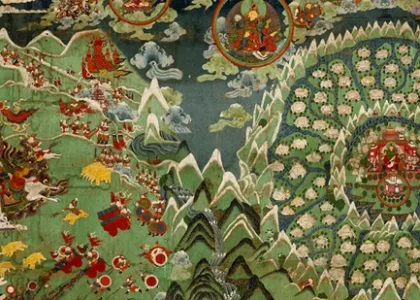
On August 9, 2025, the Ganden Thangka Unveiling Festival occurs on the 15th day of the sixth month in the Tibetan lunar calendar. This sacred event honors the enlightenment of Je Tsongkhapa, founder of the Gelug school of Tibetan Buddhism. Pilgrims gather to walk the monastery’s kora route, offer prayers, and witness the stunning unveiling of a giant thangka of Buddha spread across the hillside.
Later in the month, the Shoton Festival begins on August 23, 2025. Originally, it marked the end of the monks’ summer retreat—when they avoided walking outside to protect insects—and laypeople welcomed them with offerings of yogurt. Over time, this became a week-long celebration featuring Tibetan opera (Lhamo) at Norbulingka and Zongjiao Lukang Park, with dramatic performances filled with song, masks, and colorful costumes. In recent years, modern touches like music concerts, exhibitions, and sports competitions have been added to the festival.

4. Tibet Lakes and Light: Serenity by Sacred Waters
Yamdrok Lake, which stretches over 72 kilometers and is surrounded by snowy mountains, looks especially beautiful in August. Its turquoise waters seem to glow under the shifting skies, reflecting both sunlight and drifting clouds. Light rain usually falls in the evenings, leaving the days dry and perfect for exploring. With an average of 88 mm of rainfall and cool temperatures between 7°C and 25°C, Yamdrok offers a calm, meditative atmosphere. Pilgrims and travelers can walk on its shores, taking in the peaceful scenery and spiritual energy.
Namtso Lake, one of the highest saltwater lakes in the world, also reaches its most breathtaking state in August. The road to the lake becomes easier to access after the summer thaw. Although temperatures remain cool—between 3°C and 17°C—August’s relatively light rainfall (around 87 mm) makes it a great time to camp along the lakeside. Pilgrims walk the kora route around Tashi Dor Island, while migratory birds call across the water, adding a quiet rhythm to the silence.

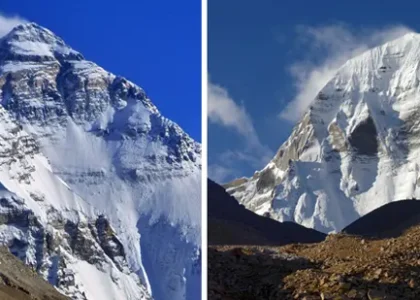
Lake Manasarovar, located near sacred Mount Kailash, draws devoted pilgrims who come to bathe in its holy waters or walk the full circle around it. In August, the landscape glows under soft, filtered light. The stillness of the lake mirrors the deep sense of devotion felt by those who visit. Many believe the lake can purify the soul and bring spiritual blessings. Together, these sacred lakes offer a rare harmony of beauty, belief, and serenity—making August a truly special time to witness their magic.
5. Late-Summer Treks in Tibet: Quieter Trails and Remote Exploration
August marks the height of Tibet’s summer and the peak of the travel season. Clear skies, lush grasslands, and accessible mountain passes make this month popular for both international visitors and local pilgrims. However, as the most popular time to travel, it also brings crowds and higher prices, especially at major sites like Potala Palace and Jokhang Temple.
The good news is you can still find spaces for peace and deeper exploration.
Start your days early—arriving at key attractions before tour buses get there gives you a calm window to enjoy the atmosphere. Or head to less-visited spots like Ganden Monastery, Samye Monastery, or Drak Yerpa. These places provide rich spiritual experiences without heavy foot traffic.
For trekkers, August offers some of the best conditions: the trails are clear, the scenery is lush, and the air is fresh. Occasional rain showers generally fall at night, leaving daytime mostly dry and good for hiking. Just be ready with light rain gear and sturdy shoes.
Remote trekking routes—like Everest Garma Valley trekking, Samye–Chimpu Hermitage trail, or quieter sections of the Mount Kailash kora—provide a more reflective, less commercial experience. If you’re mindful of costs, consider camping near Namtso Lake or staying in village guesthouses—these simple lodgings offer both affordability and genuine local hospitality.

6. Visiting Tibetan Temples in Peak Season: Where to Find Peace in August
August is one of the busiest times to visit Tibet. Warm weather, clear skies, and major festivals draw pilgrims and tourists from around the world. Landmarks like the Potala Palace and Jokhang Temple in Lhasa are especially popular, often buzzing with long lines and large tour groups. However, you can still find peace—especially in the early mornings. Arriving just after sunrise allows for a quieter, more spiritual experience, with soft lighting, fewer people, and the hum of local worshippers performing their koras.
For those seeking a more tranquil path, less-visited temples provide a welcome break from the activity. Drak Yerpa Hermitage, a peaceful cave complex near Lhasa, offers solitude and beauty. Ganden Monastery, perched on a hilltop, provides sweeping views and a serene kora route. Samye Monastery, Tibet’s first Buddhist monastery, sits in a quiet valley, ideal for cultural exploration and quiet reflection. Even within Lhasa, the small but active Ani Tsankhung Nunnery has a peaceful atmosphere and a more intimate encounter with Tibetan Buddhist life.

Despite the festive mood across the region, smaller rituals and local temple ceremonies continue quietly in the background, offering chants, butter lamp offerings, and moments of calm. By dressing respectfully, walking clockwise in sacred spaces, and being open to unplanned encounters, visitors can still find peace in the heart of Tibet’s spiritual season.
7. Traveling Smart in Tibet Summer: Tips for a Smooth Journey
Get to Tibet in August
Traveling to Tibet in August requires early planning since it’s the busiest travel month of the year. Flights and trains to Lhasa, especially from major cities like Chengdu, Xi’an, and Xining, are in high demand. Among them, Xining is one of the best starting points—not only does it serve as the gateway to the scenic Qinghai–Tibet Railway, but it also offers a more gradual altitude transition for better acclimatization. Many flights to Lhasa operate daily from Xining, giving travelers flexibility in timing. Here’s a quick overview of flights and trains from Xining to Lhasa:
| Travel Route | Ticket Price |
| Xining CaoJiaBao Airport-Lhasa Gonggar Airport Departing from 12:00 to 17:00 (2h10m, Daily, 1404km) | Economy: $276 Business: $797 |
| Xining Railway Station – Lhasa Railway Station Z223/Z323: 11:47-07:41+1, Z8981: 12:50-10:20+1 Z21: 15:32-11:42+1 Z265: 18:19-14:54+1 Z165: 19:28-15:30+1 Y971: 21:10-17:10+1 Z8991: 22:00-18:26+1 Z9819: 23:15-20:29+1 (20hrs+, Daily, 1956km) | Soft Sleeper: $111 Hard Sleeper: $71 Hard Sea: $32 |
China Visa and Tibet Permits
If you’re planning a trip to Tibet as a foreign traveler, having the right documents is essential. You’ll need a valid passport and, in most cases, a Chinese visa. In addition, a Tibet Travel Permit is mandatory and must be applied for through a certified local travel agency like Tibet Horizon. Depending on where you’re headed—especially if your journey includes border regions or remote areas like Mount Kailash—you may also need extra permits such as the Aliens’ Travel Permit or the Military Area Entry Permit. Permit checks can be frequent, so it’s wise to keep both printed and digital copies of all your documents with you at all times to avoid delays.
Accommodation and Hotel in Tibet August
August is at the height of Tibet’s peak travel season, so finding suitable accommodation requires early planning. In Lhasa, you’ll find a wide range of options—from international luxury chains like the St.Regis and Lhasa Ruiji Holiday Hotel, to cozy boutique hotels that reflect Tibetan aesthetics and hospitality. However, in smaller towns or more remote destinations such as Mount Kailash or Everest Base Camp, options are more limited. Travelers should be prepared for basic guesthouses or seasonal yak-hair tent hotels, with shared facilities. Due to high demand, it’s strongly recommended to book your accommodation at least one month in advance to ensure availability and comfort.
Packing List for Tibet Tour in August
August in Tibet brings warm days, cooler nights, and occasional rainfall—especially in the late afternoon or evening. For daytime exploration, lightweight and breathable clothing like long-sleeve shirts and trousers will keep you comfortable while protecting against sunburn. However, don’t forget to pack a windproof and waterproof jacket, as sudden weather changes are common at high altitudes. Sturdy, waterproof hiking shoes are essential if you plan to walk on mountain trails or visit remote monasteries. Sun protection remains critical: sunglasses, a wide-brimmed hat, high-SPF sunscreen, and lip balm should always be in your bag. A compact umbrella or poncho is handy for brief rain showers, and a power bank, reusable water bottle, and rain covers for your gear can make your trip smoother.
Prevent Tibet Altitude Sickness in August
Even in the warmer and more vibrant month of August, altitude sickness remains a common concern for travelers arriving in Tibet. The key to prevention is a gradual adjustment—spending your first couple of days in lower-altitude areas like Lhasa or Shigatse allows your body time to adapt before ascending to higher regions such as Namtso Lake, Everest Base Camp, or Mount Kailash. Stay well-hydrated, eat light, and avoid intense physical activity during your first 48 hours. It’s also wise to bring altitude sickness medication (consult your doctor before travel) and consider oxygen canisters or herbal supplements if you’re especially sensitive.
8. Conclusion
Traveling to Tibet in August offers an unforgettable blend of festivals, breathtaking natural scenery, and spiritual depth. August is both the busiest and one of the most rewarding months to explore the Roof of the World. While the peak season means more crowds and higher costs, careful planning—such as booking transportation and accommodations early with trusted agency like Tibet Horizon, visiting lesser-known sites, and preparing for variable weather—can make your August Tibet journey smoother.